
Our Curriculum
Islamic Studies
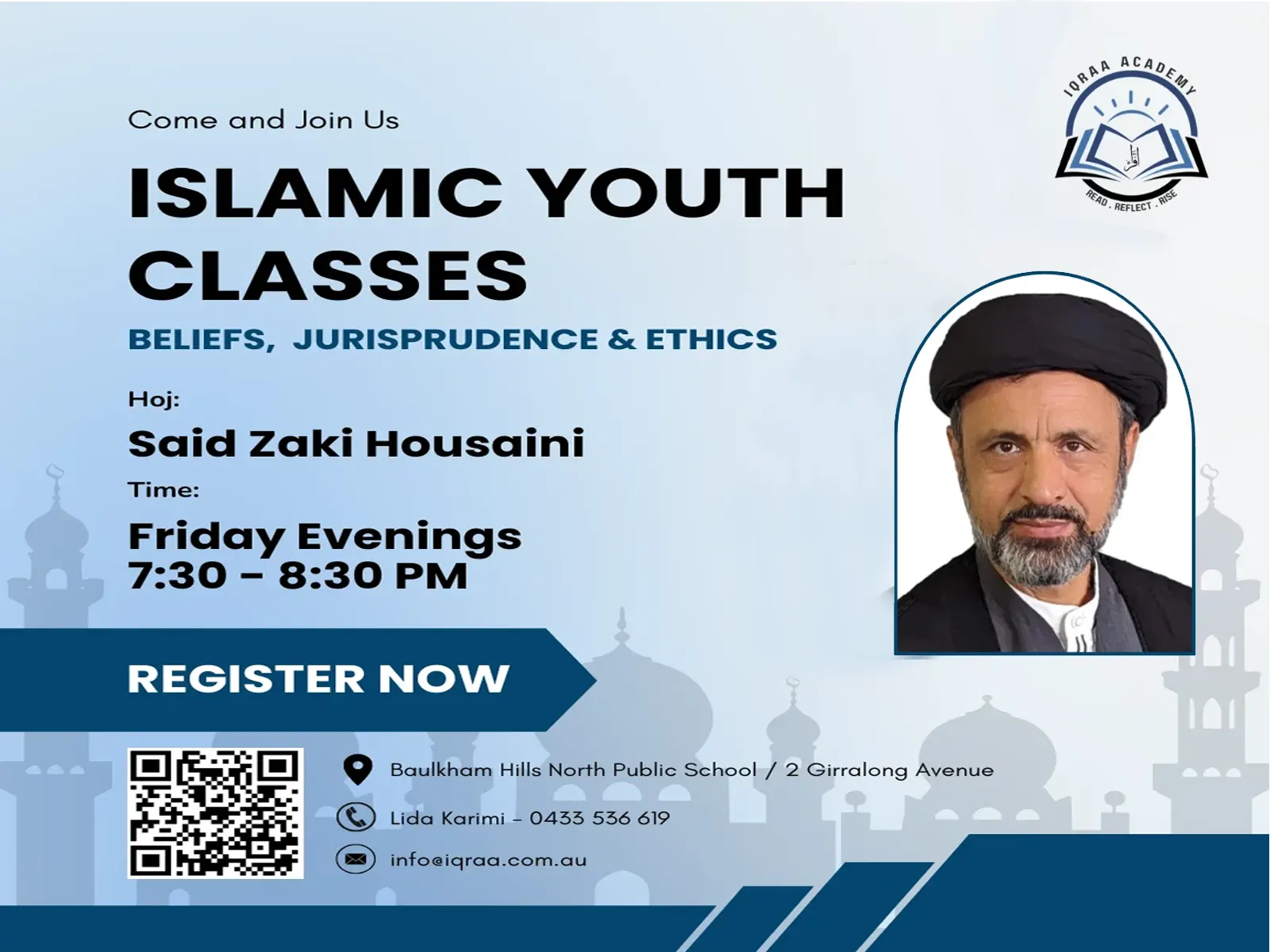
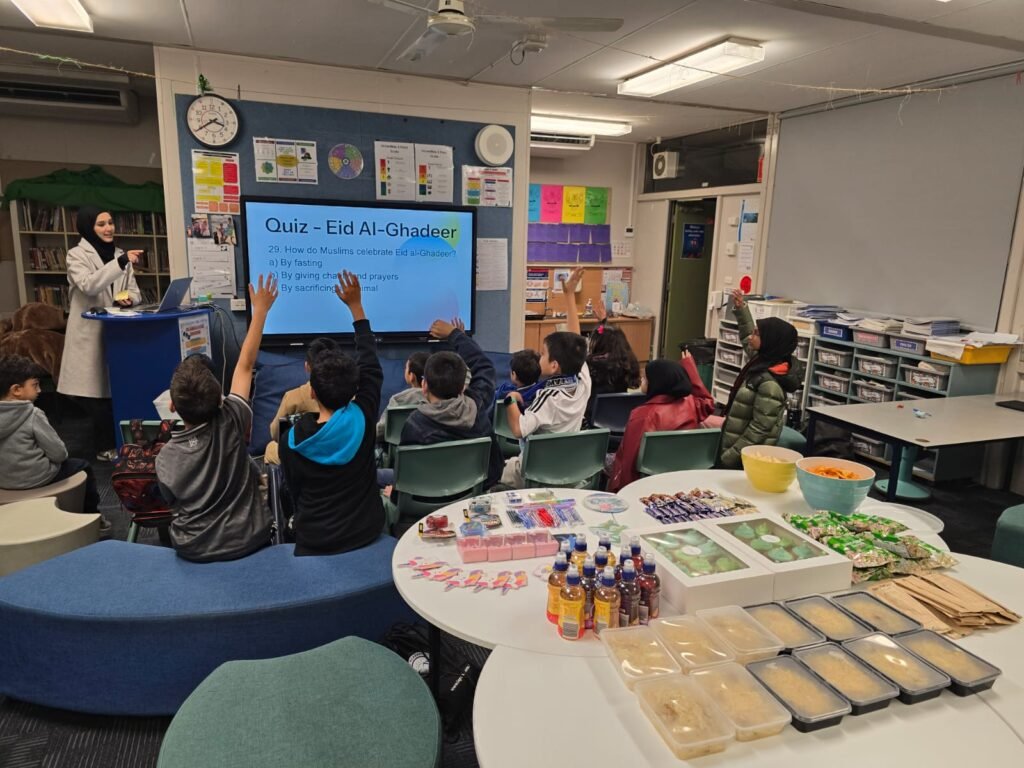
At Iqraa Academy, our Islamic Studies curriculum is thoughtfully designed to guide students in understanding and living their faith. Grounded in the teachings of the Holy Quran and the Ahlul Bayt (AS), our program supports students’ spiritual, intellectual and ethical growth. It is delivered in a way that is age-appropriate, relevant and engaging for young learners.
Students explore the following essential areas of learning:
Islamic History
Students explore the rich history of Islam through inspiring stories, timelines, and important events that have shaped the Muslim Ummah. This includes:
The lives of Prophets (AS), from Prophet Adam (AS) to Prophet Muhammad (SAWA)
The biography and legacy of Lady Fatima (AS), Imam Ali (AS), and the Twelve Imams (AS)
Key historical events such as the migration (Hijrah), the battles of Badr and Uhud, the tragedy of Karbala, and the life of Muslims during early Islamic periods
The contributions of great Islamic scholars and leaders throughout history
Through these lessons, students learn valuable lessons of sacrifice, patience, leadership, and reliance on Allah (SWT).
Beliefs (Aqaid)
This component focuses on developing a sound understanding of Islamic theology and belief in the unseen. Students learn to reflect on their faith through:
Tawheed – the Oneness and attributes of Allah (SWT)
Adalah – Allah’s justice and wisdom
Nubuwwah – the role and responsibility of Prophets
Imamah – the guidance of the Imams (AS) and their relevance in our lives
Qiyamah – belief in the Hereafter, accountability, and divine justice
Our approach encourages critical thinking and personal reflection, helping students build conviction and clarity in their beliefs.
Jurisprudence (Fiqh)
Students are taught the practical rulings of Islam based on the Jafari school of thought, with an emphasis on applying knowledge in daily life. They learn:
How to perform wudhu, ghusl, and tayammum
The proper way to pray (salah), fast during Ramadan, and give charity (zakat, khums)
Islamic rulings related to cleanliness, modesty, halal and haram
Manners and etiquettes of eating, greeting, visiting, and personal hygiene
These topics are taught through demonstrations, class discussions, role-plays, and hands-on activities to ensure students are confident and capable of practising their faith.
Islamic Ethics (Akhlaq)
Students learn Islamic morals and values based on the teachings of the Holy Prophet (peace be upon him and his family) and the Ahlulbayt (a.s), with a focus on applying good character in daily life. They learn about: This includes:
The importance of honesty, respect, patience, humility and kindness
Showing compassion towards others and caring for the environment
Developing self-discipline, gratitude and responsibility
Avoiding harmful traits such as pride, jealousy, lying and backbiting
- Building positive relationships with family, friends and the community
Lessons are delivered through storytelling, discussions and practical examples that help students understand how to live with good manners, sincerity and moral awareness in all situations.
Our curriculum is built on the foundation of the Tarbiyah education program, which blends traditional Shia Islamic knowledge with contemporary teaching strategies. Designed to nurture moral character, spiritual growth and academic development, it offers a balanced approach that supports the whole child. With structured progression from foundational to advanced concepts, students gain a deep understanding of Islamic beliefs, values and practices in a way that is relevant and impactful. The digital learning platform enhances this experience by making it easy for students to access lessons, receive feedback and stay engaged both in and out of the classroom.